

Cart

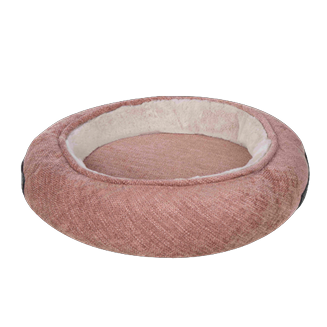
Cayan cat bunk

X

X

Your cart is currently empty.
You may also like:

Total
29.99
.svg)
Why So Many Indoor Cats Are Overweight and How to Keep Yours Healthy
Most indoor cats are overweight without their owners realizing it — learn how to protect your cat’s long-term health.
Why So Many Indoor Cats Are Overweight and How to Keep Yours Healthy
More than half of indoor cats today are overweight. Indoor life is safer, but it also means fewer challenges, fewer calories burned, and more boredom snacking. The result is slow, steady weight gain that often goes unnoticed.
The good news is that small changes at home can dramatically improve your cat’s health, mobility, and energy. This article explains the real reasons indoor cats gain weight and what you can do to help your cat stay lean, active, and confident.
Why Indoor Cats Gain Weight Easily
1. They move less than their bodies are made for
Cats are natural climbers and hunters. In the wild, they spend the day exploring, jumping, balancing, and stalking. Indoors, most cats only move between the sofa, the bed, and the food bowl.
Without vertical challenges, activity levels drop — and with it, metabolism.
2. Free-feeding almost guarantees overeating
When food is always available, most cats will graze all day. Combine that with low movement, and weight gain becomes inevitable.
3. Boredom leads to comfort eating
A cat that is not mentally stimulated will look for another source of comfort. Often, that is the food bowl.
Common triggers include:
• No access to window views
• No elevated places to retreat
• A dog interrupting meals
• Not enough daily stimulation or changes in the environment
When both physical and mental activity drop, eating becomes the main source of excitement.
Why Your Cat’s Weight Truly Matters
Weight affects far more than appearance. Even slight weight gain can impact daily wellbeing.
1. Joint strain and early arthritis
Extra weight puts pressure on joints, making jumping or climbing uncomfortable.
2. Lower energy levels
Inflammation from excess body fat makes cats tired and less playful.
3. Shorter lifespan
Studies show overweight cats live two to three years less on average.
4. Reduced confidence
Cats that cannot explore or reach high places become more stressed, insecure, or withdrawn.
A healthy weight keeps your cat mobile, confident, and emotionally balanced — all things that matter deeply to a cat-loving home.
Signs Your Cat Might Be Overweight
You may notice changes subtly at first:
• Hesitation before jumping
• Difficulty climbing or choosing lower surfaces
• Ribs hard to feel
• Rounder face and thicker neck
• Grooming less, especially on the back
• More sleeping, less play
• Rushing to the food bowl out of habit, not hunger
If you see several of these signs, small lifestyle tweaks can help a lot.
How to Keep Your Cat at a Healthy Weight
1. Encourage more climbing and vertical activity
Vertical movement is the most effective and natural way for indoor cats to stay fit. Climbing burns more calories than horizontal walking because it activates more muscles and requires balance and focus.
This is where thoughtful home design matters.
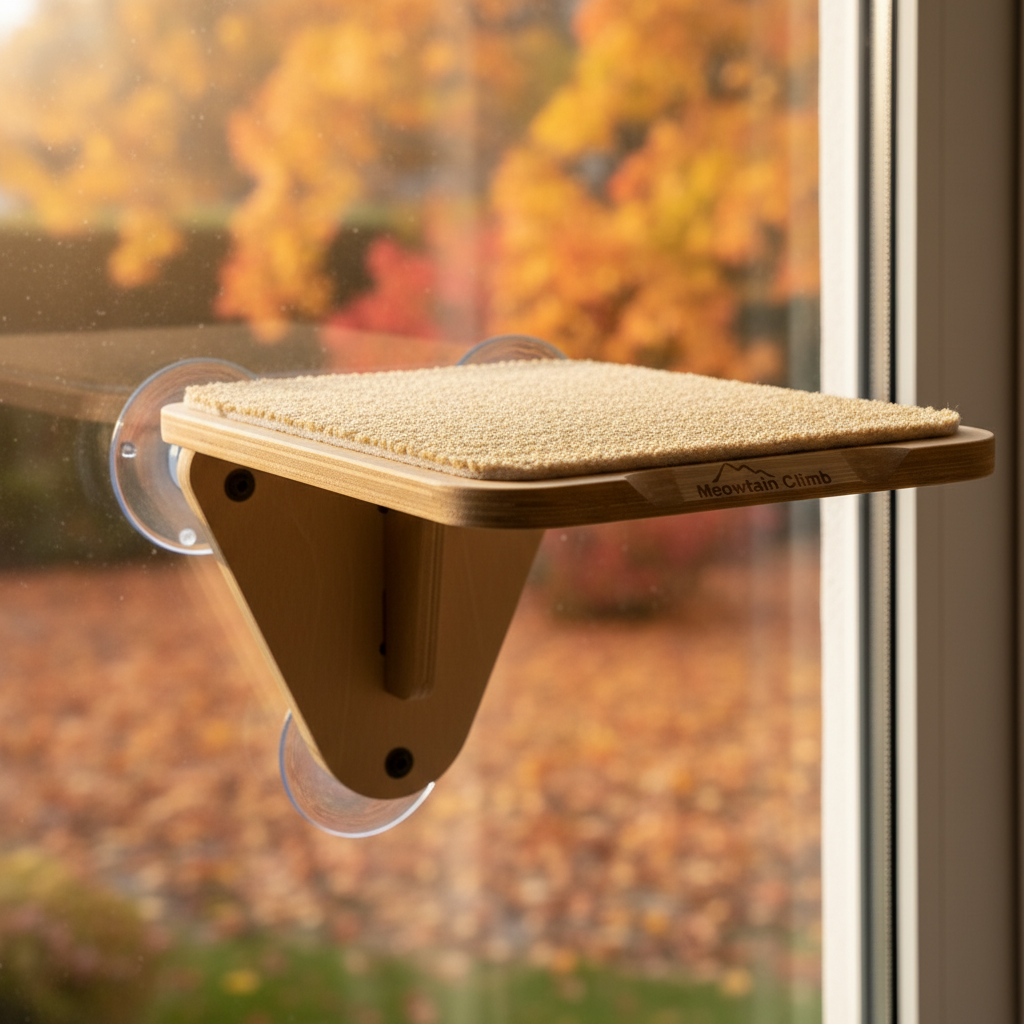
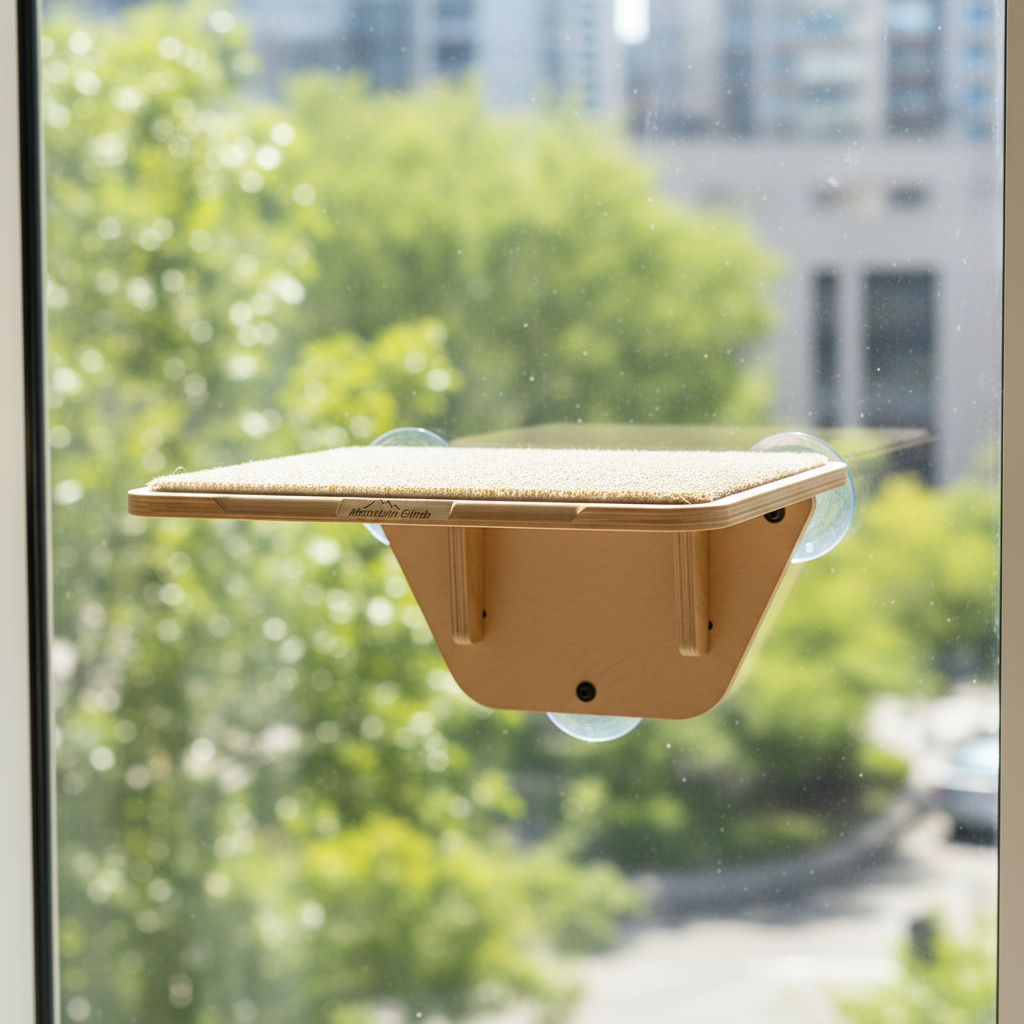
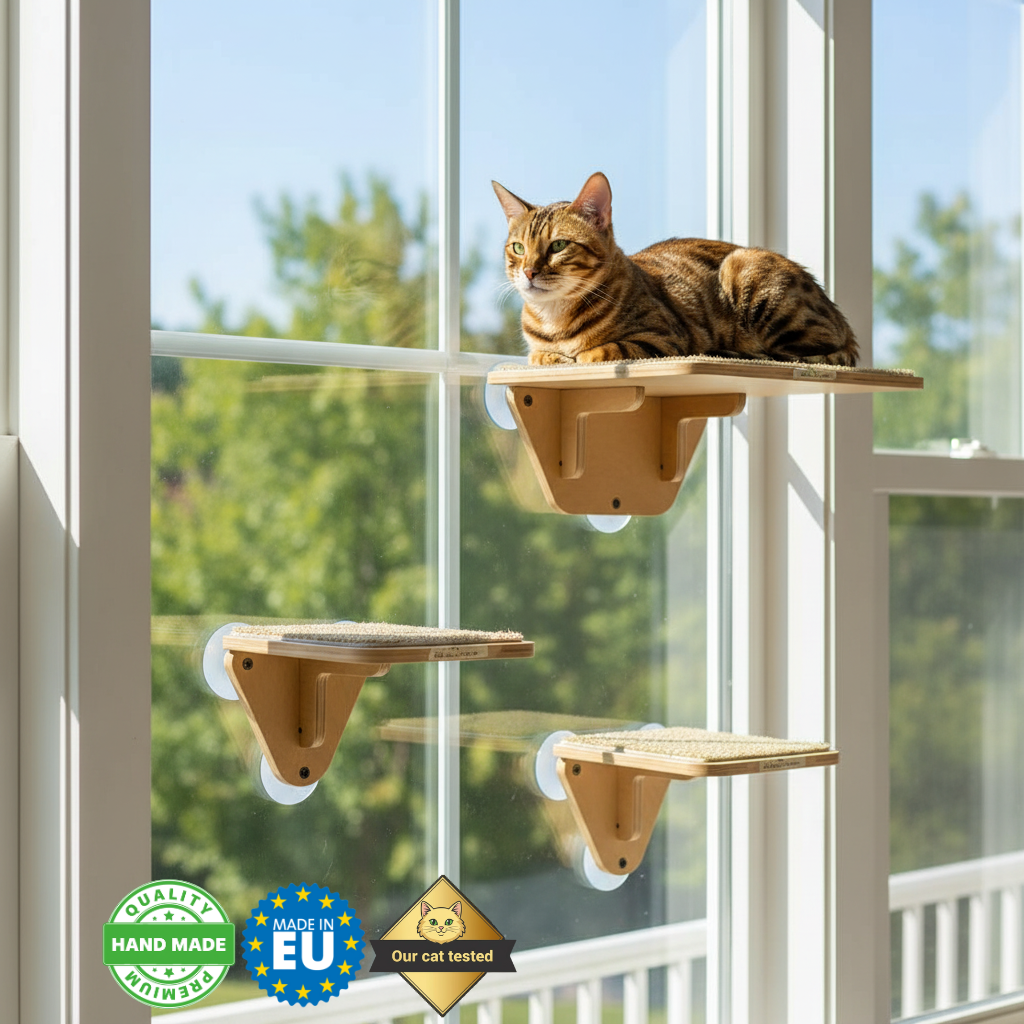
A simple setup of two climbing steps and one resting shelf creates a “vertical playground” even in compact apartments. Your cat uses it throughout the day — going up to rest, observing the outdoors, exploring new heights, and moving naturally.
This gentle, consistent activity helps maintain a stable weight without forced exercise.
2. Add small daily challenges to increase stimulation
Cats thrive when there are small, natural moments of exploration throughout the day.
Try introducing:
• Puzzle feeders once a day
• Small hidden portions of food in elevated spots
• Weekly toy rotation for novelty
• Safe window shelves for natural outdoor viewing
These micro-adventures reduce boredom and emotional eating.
3. Break feeding into smaller, structured meals
Many cats overeat not because they are hungry, but because the bowl is always full.
Smaller scheduled meals keep blood sugar stable and prevent unnecessary grazing.
You can achieve this effortlessly by using an automated cat feeder.
Automated feeders:
• Release precise meal portions
• Prevent overfeeding
• Allow consistent routines even when you are not home
• Reduce food anxiety in multi-pet homes
• Are perfect when combined with elevated feeding spots
If your cat eats on a raised platform, each meal also requires climbing — adding natural activity into the daily routine.
4. Protect feeding from dog interference
If you have a dog, you may have noticed your cat eats faster or overeats just to avoid losing food.
Raising your cat’s food bowl to a dog-free elevated zone naturally slows down eating, reduces stress, and improves digestion.
A Well-Designed Home Helps a Cat Stay Healthy
Your cat’s long-term weight is shaped by the spaces it lives in. Cats feel healthiest when they have:
• Places to climb
• Places to rest safely
• Access to sunrise and window views
• Dog-free feeding areas
• A sense of territory and control
You do not need to redesign your home to achieve this. Even a minimal three-piece setup — two steps and one window shelf — creates an environment that encourages daily movement and keeps weight stable without strict diets.
Final Thoughts: A Healthy Cat Is an Active Cat
Helping your cat maintain a healthy weight is not about restriction. It is about giving your cat the freedom to behave like a cat — to climb, explore, observe, and move with confidence.
Indoor life can be engaging, stimulating, and healthy.
With a few intentional design choices, your cat can stay fit and full of life for years to come.